Finding development land in London is rarely as simple as finding an empty plot. In established, high-value areas, some of the most interesting opportunities are hidden in plain sight: an underused warehouse, a workshop, a garage or a low-rise commercial building whose current form does not reflect the potential value of the land beneath it.
At first glance, the opportunity may appear straightforward. You visit the property, study the surrounding buildings and assess what might reasonably fit. Nothing you can see appears to compromise the development. But one fundamental question is easily overlooked: what has been planned that you cannot see yet?
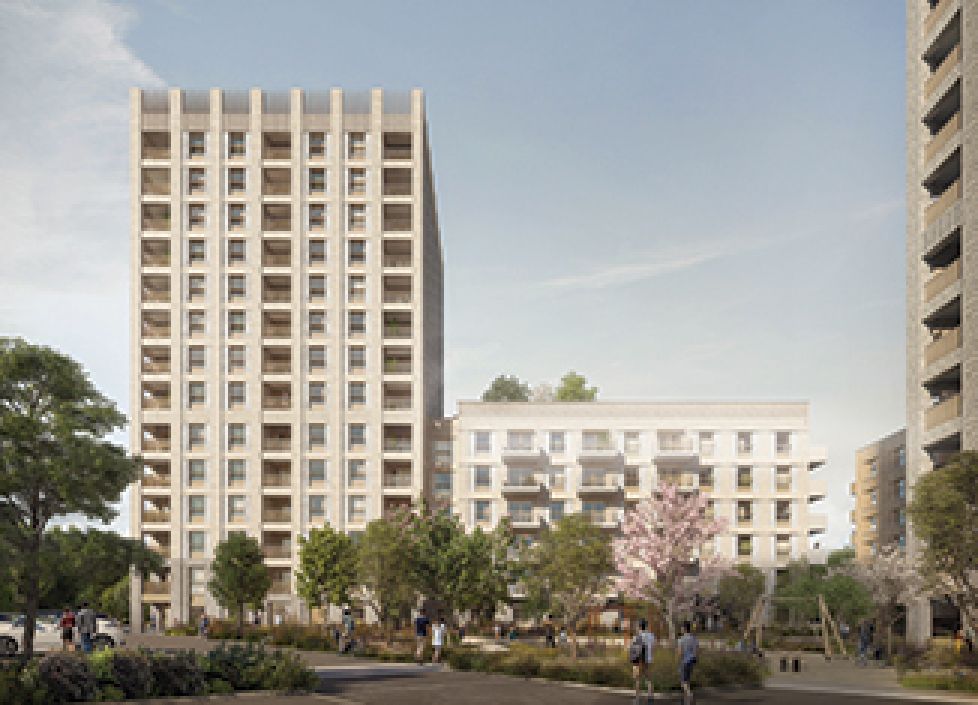
A neighbouring building may exist only on a masterplan, within an approved planning application or as an indicative development volume. Yet that future building could eventually sit close to your boundary, changing assumptions about daylight, overlooking, privacy, outlook, massing and, ultimately, developable floorspace. You are not simply buying the property that exists today; you are buying into the city that is being planned around it.
What Are You Actually Buying?
When assessing a development opportunity, it is easy to focus on what can be measured immediately: purchase price, existing floor area, plot size, current use and the height of neighbouring buildings. These metrics matter, but they do not necessarily reveal the site’s true development potential.
The more valuable question is: what are you actually buying the potential to create?
Planning policy, site allocations, conservation areas, neighbouring permissions and regeneration masterplans can all influence what is ultimately achievable and may reveal opportunities that are not apparent from inspecting the existing building alone.
This is why architectural feasibility should ideally begin before acquisition, not after it. The objective is not to design the finished building. It is to test credible development scenarios - uses, massing, height, approximate floor area, access and relationships with existing and future neighbours - while identifying the constraints that could materially affect the scheme. A site that appears capable of supporting a certain quantum of development may prove more constrained once its context is understood. Conversely, an unremarkable building may conceal significantly greater potential.